
Hi, I'm Darbe Schlosser.
My work explores Parkinson's through a neuroeconomic lens.
Cost.
Timing.
Learning.
Parkinson's is highly variable. Rather than focusing only on movement symptoms, I focus on how movement is generated, timed, learned, and adapted.
Every person arrives with a different history, different goals, and different constraints. My role is to help identify the mechanisms driving impairment and build practical systems that create meaningful change.
I am particularly interested in how self-generated sound influences movement. Through simple vocalizations linked directly to action, individuals learn to organize attention, establish rhythm, direct effort, and improve movement execution.
The goal isn't to just follow a beat. The goal is to develop the ability to generate one.
In essence, the person becomes the conductor of their own motor system.

From the plains of North Dakota to Think & Move Well
Growing up on 100 acres in the valley of Minot, North Dakota, I was gifted with space...space to run, jump, climb, explore, and discover how my body interacted with the world beneath my feet. I was my own coach, and the uneven, unpredictable terrain provided constant feedback. Without realizing it, I was learning how movement adapts: how we make mistakes, self-correct, problem-solve, and transfer skills from one environment to another. I didn’t know it then, but the foundation of my life’s work was already being built.
In 2014, I began my entrepreneurial career working directly with people living with neurological disorders. Those individuals became some of my greatest teachers. They showed me that movement is not simply something that deteriorates in the presence of disease, it is something that can be learned, reorganized, and transformed.
Today, I am the founder of Think & Move Well, a Parkinson’s-focused motor learning program built from more than a decade and 14,000 hours of direct one-on-one work and longitudinal observation with people living with Parkinson’s disease.
I hold a master’s degree in Motor Learning and Motor Control from Teachers College, Columbia University, and my work focuses particularly on complex movement challenges including freezing of gait, postural instability, attentional control, movement initiation, coordination, and the ability to adapt movement across changing environments.
My work is grounded in a simple but important distinction: exercise and learning are not the same thing. Exercise can improve strength, endurance, and cardiovascular capacity. But improving the way a person moves requires something more. It requires opportunities to perceive, problem-solve, adapt, self-correct, and learn. Rather than prescribing movement solely through repetition, I design environments and tasks that require the nervous system to continually respond to changing demands.
Over thousands of sessions, this approach has evolved into a structured motor learning system that integrates cueing, task design, attention, effort, arousal, variability, and environmental context. The objective is not simply to help someone perform better while I am standing beside them. It is to help them develop the capacity to recognize problems, generate solutions, and adapt independently in the real world.
That work has expanded well beyond individual sessions. Through Think & Move Well, I am building systems to train coaches and movement professionals, investigate patterns across thousands of recorded sessions, develop technology that can translate complex observations into actionable guidance, and explore new models for delivering movement education to communities with vastly different resources and levels of access.
I am particularly interested in the questions that sit between established disciplines: How does attention influence movement? Why does a strategy work beautifully for one person and fail for another? How do environment, emotion, cognition, fatigue, and task complexity change what the nervous system is capable of producing? And how can we design learning environments that allow people with Parkinson’s to become more adaptable rather than increasingly dependent on instructions?
My goal is larger than creating an exercise program. I want to help change the way we think about movement in Parkinson’s disease, from something that is simply prescribed and performed to something that can be explored, learned, adapted, and continually rebuilt. And ultimately, I want to raise our expectations of what human beings are capable of achieving through movement.
THE COST PROBLEM
ACTUAL EFFORT ≠ PERCEIVED EFFORT
Before movement begins, the brain evaluates whether an action is worth the energy it will require. In Parkinson's, that calculation becomes distorted. Movements that should feel accessible begin to feel expensive, resulting in hesitation, reduced amplitude, slower movement, and decreased participation.
My work recalibrates that calcualtion, helping people restore access to movement that is often still available.
THE TIMING PROBLEM
FOLLOWING RHYTHM ≠ GENERATING RHYTHM
Most movement depends on timing systems that operate automatically in the background. Walking, turning, speaking, reaching, and transitioning between tasks all rely on precise internal timing.
Parkinson's disrupts these systems, forcing movement to require more conscious control and attention. Rather than teaching people how to work around timing problems, my goal is to help them rebuild internal timing itself.
THE LEARNING PROBLEM
LEARNING ≠ IMPROVEMENT
Every repetition teaches the nervous system something. When movement becomes inefficient, inconsistent, or compensatory, those patterns can become reinforced over time.
My work focuses on helping the brain detect errors, make adjustments in real time, and shape what it learns from every repetition.
The goal is not simply practice more, but to practice in a way that creates lasting improvements worth keeping.
The brain is always learning . The question is whether it is reinforcing Parkinson's patterns or learning more effective ways to move.
TEACHING PRINCIPLES, NOT PROTOCOLS.
Our team brings deep expertise across movement, neuroscience, physiology, and real-world application. Together, we translate complex principles into practical, individualized training.
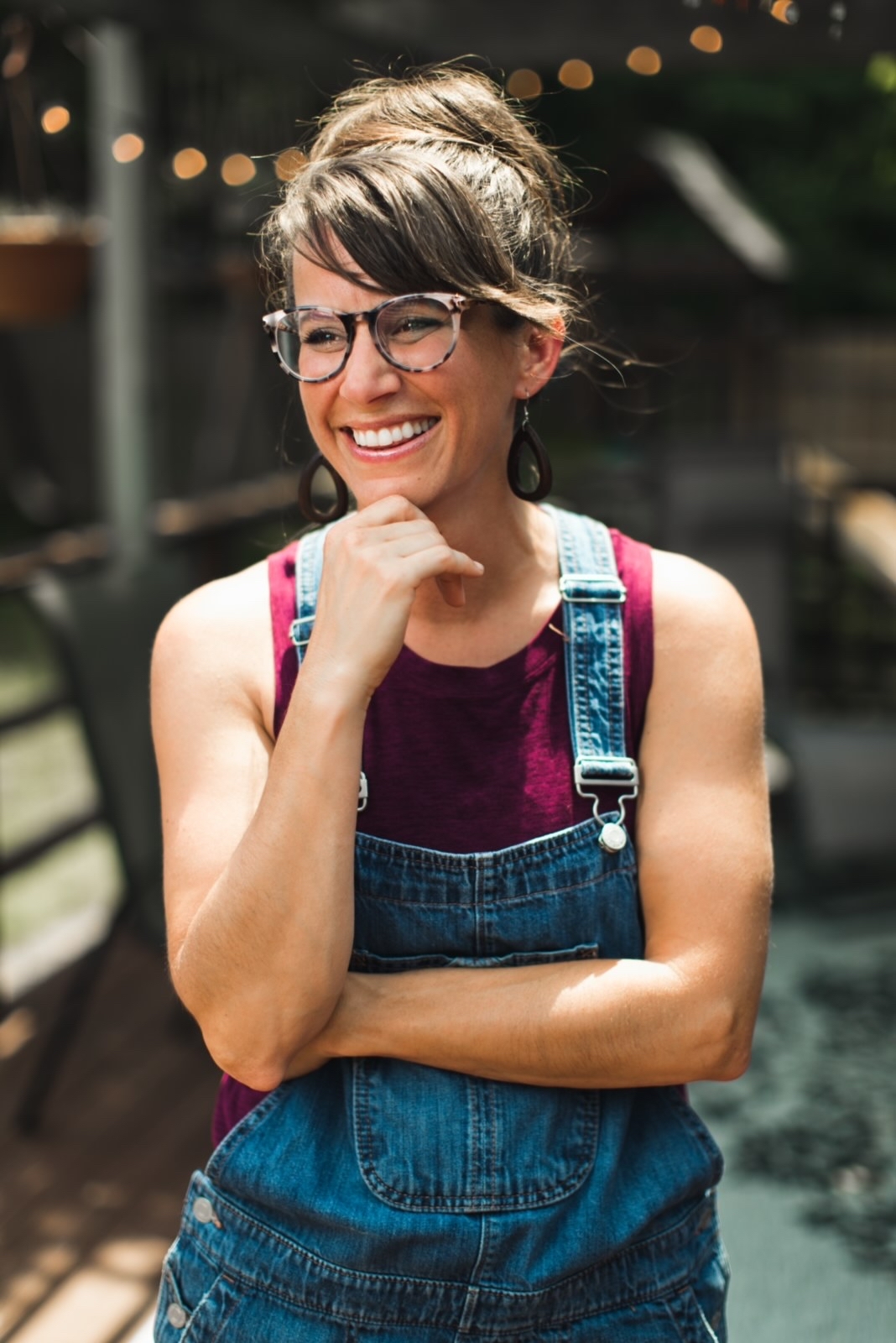
RUNNER · PARKINSON'S · ENDURANCE
Specializes in endurance training, running mechanics, and aerobic conditioning for people with Parkinson’s.
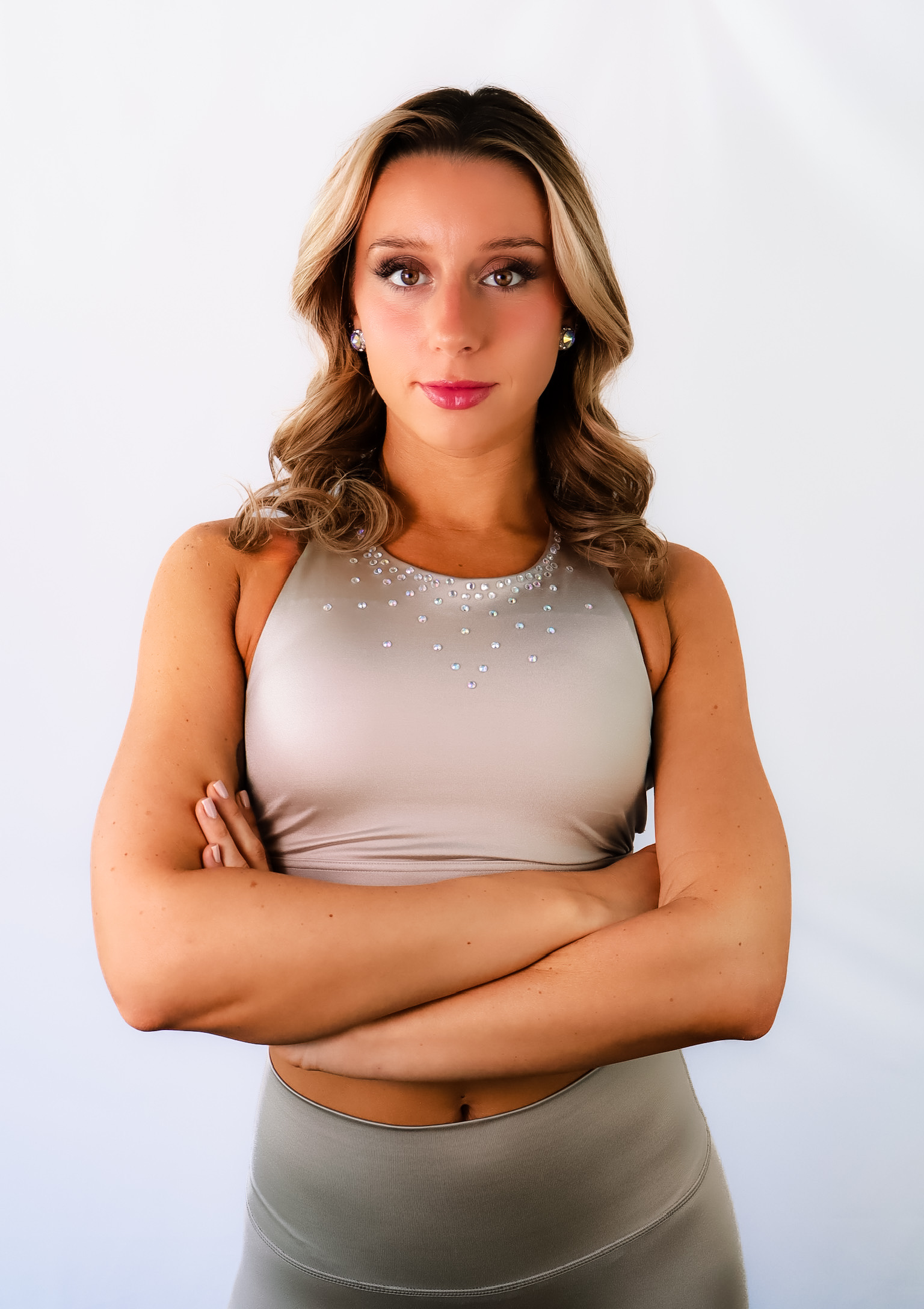
DANCER · EXERCISE PHYSIOLOGY · PERFORMANCE
Focuses on exercise physiology, performance training, and movement quality.
FEATURED STORY
A real example of what happens when understanding changes.
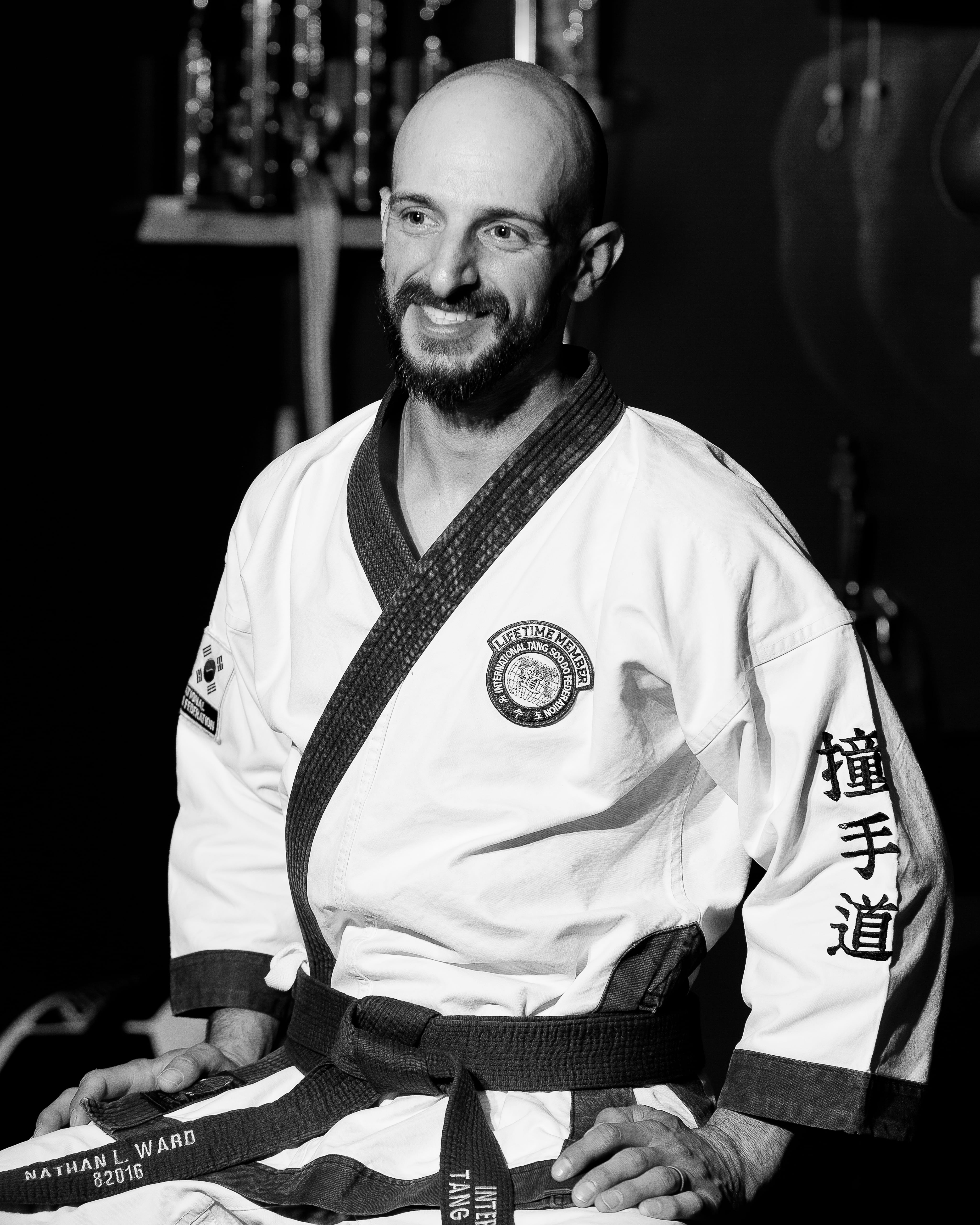
DIAGNOSIS
Diagnosed with young-onset Parkinson’s disease
LEARNING
Four years later, began martial arts and discovered a new way to move
UNDERSTANDING
Developed a motor learning framework to understand his symptoms and regain confidence in managing PD
TEACHING
Returned to meaningful work, opened his own dojo, and now teaches youth in Uganda
"
Darbe gave me the language to understand my own movement. That understanding not only changed how I trained, it changed how I teach and how I live with Parkinson's.
— Nate

